Why Certification Labels Matter More Than Ever
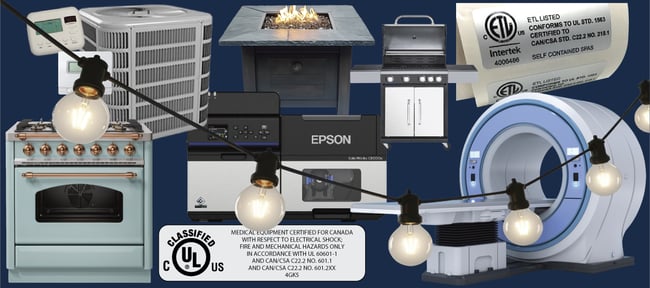
Walk through any office, warehouse, manufacturing facility, or retail store, and you'll find products carrying certification labels. Look at the bottom of a desk lamp, a circuit breaker, a smoke detector, or even a charging station, and you'll likely find a label featuring a safety certification mark.
These certifications help manufacturers, regulators, distributors, and consumers verify that products have been tested against recognized safety standards. They also play a critical role in compliance, product acceptance, and risk management. Two of the most commonly recognized certification marks in North America are UL and ETL. While many businesses are familiar with these marks, there is often confusion about what they mean, how they differ, and what role labels play in maintaining compliance.
At SixB Labels, we've been helping businesses simplify their labeling programs since 1979. With more than 45 years of experience producing durable compliance labels, including UL and CSA-certified solutions, we understand how important certification labeling is for manufacturers and equipment suppliers alike.
What Is UL Certification?
UL stands for Underwriters Laboratories, now known as UL Solutions.
Founded in 1894, UL is one of the most recognized safety science organizations in the world. UL develops safety standards and tests products to verify that they meet those requirements.
When a product completes testing, manufacturers may apply the appropriate UL certification mark to their products using approved labeling systems.
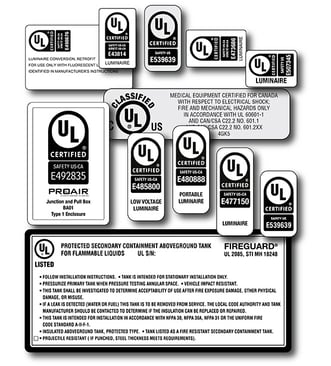 Common UL markings include:
- UL Listed
- UL Recognized
- UL Classified
These marks indicate that the product has been evaluated against specific safety requirements and meets the applicable standards.
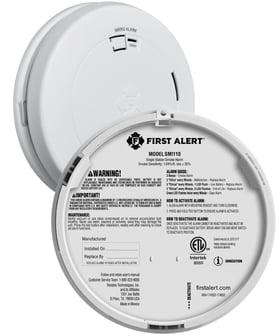
Common Applications for UL/CSA Labels
- Electrical control panels
- Circuit breakers
- Computer components
- Light fixtures
- Smoke alarms
- Fire extinguishers
- HVAC equipment
- Charging stations
- Safety devices
For many industries, UL certification helps demonstrate product quality, reliability, and safety.
What Is ETL Certification?
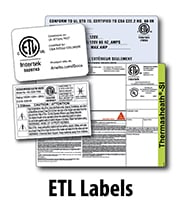
ETL certification is provided by Intertek, a global testing, inspection, and certification organization.
The ETL mark traces its roots back to Thomas Edison's Electrical Testing Laboratories, giving it a long history within the electrical testing industry. Like UL, ETL tests products against recognized safety standards. Products bearing the ETL mark have been independently tested and found compliant with applicable requirements.
 One important fact many manufacturers don't realize is that ETL and UL certifications often test against the same safety standards.
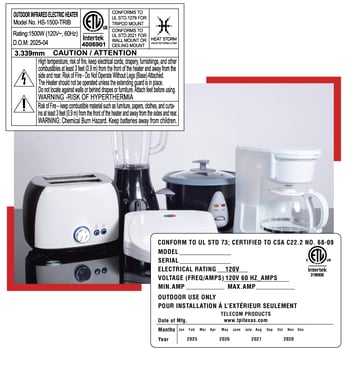
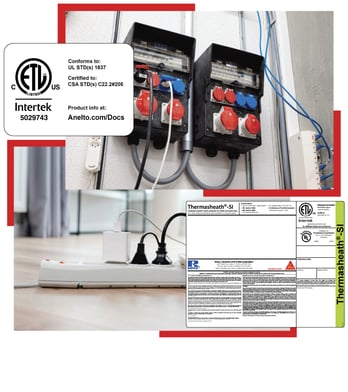
For example, an electrical product may be certified to the same ANSI, UL, or CSA standard whether it carries an ETL mark or a UL mark. The primary difference is not the safety standard itself, but the testing organization performing the evaluation.
Common Applications for ETL Labels
- Electronics & Equipment
- Household Appliances
- Lighting Systems
- Medical Devices
- Industrial Equipment
- Life Safety Devices
- HVAC equipment
 |
|
ETL vs UL: What's the Difference?
While both marks indicate compliance with recognized safety standards, there are a few distinctions.
Feature |
UL |
ETL |
|
Testing Organization |
UL Solutions |
Intertek |
|
Recognition |
Extremely well-known globally |
Widely recognized throughout North America |
|
Standards Used |
UL, ANSI, CSA standards |
Same standards as UL in many cases |
|
Product Acceptance |
Accepted by authorities having jurisdiction |
Accepted by authorities having jurisdiction |
|
Certification Purpose |
Safety and compliance verification |
Safety and compliance verification |
NOTE: For most manufacturers, both marks provide credible evidence that products have been independently tested and certified. The key consideration is often customer requirements, industry expectations, or existing certification relationships.
The Often-Overlooked Importance of Certification Labels
Obtaining certification is only part of the process. The certification mark must remain attached to the product throughout its lifecycle. This is where label construction becomes critically important. Certification labels frequently face:
|
|
If the label deteriorates, peels, fades, or becomes unreadable, compliance issues may arise. That's why certification programs often require approved label materials, adhesives, inks, laminates, and printing systems.
Understanding UL 969 Label Requirements
One of the most important standards in product labeling is UL 969, which governs marking and labeling systems. UL 969 evaluates:
- Label materials
- Adhesives
- Printing methods
- Ink durability
- Environmental resistance
- Legibility over time
The goal is to ensure that safety and identification labels remain legible throughout the life of the product. At SixB Labels, we help businesses navigate these requirements with approved labeling solutions designed for long-term durability.
UL Certification Categories Explained
| PDGQ2: Pre-Printed UL Certified Labels | PGJI2: End-User Printed UL Labels |
|
PDGQ2 certification applies to labels manufactured and preprinted by a certified label converter. This is considered one of the highest levels of UL label certification because the entire system has been tested together, including:
For many manufacturers, preprinted UL-certified labels provide a simple and reliable compliance solution. |
PGJI2 certification applies to businesses that print labels in-house at their business. This category requires:
The label stock and ribbon must be tested together as a complete system under UL 969 requirements. This allows manufacturers to create variable information while maintaining compliance.
|
UL, CSA, and ETL: Why Manufacturers Need Durable Labels
Many certified products require labels that remain intact for years.
Common applications include:
Electrical Equipment Labels - Electrical panels, switchgear, and circuit breakers often require certification markings that must remain legible throughout their service life.
 HVAC Equipment Labels - Heating and cooling systems rely on durable product identification and safety labels that withstand temperature fluctuations and environmental exposure.
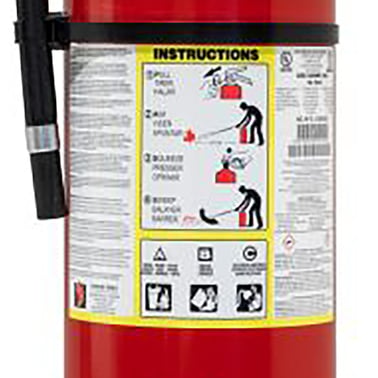
Fire Safety Labels - Fire extinguishers, sprinkler systems, and alarm devices require clearly visible certification and inspection information.
Industrial Equipment Labels - Machinery and control systems frequently use compliance labels alongside warning labels and serial number identification.
Charging Station Labels - The growing EV market relies heavily on durable compliance labeling for safety and product verification.
Label Materials Commonly Used for Compliance Labels
The most common materials for certification labels include:
| Silver Polyester | White Polyester | ||
Silver polyester is one of the most popular materials for UL and CSA applications because of its:
|
White polyester offers:
|
||
| UL-Approved Laminates | |||
|
Lamination can provide additional protection against:
|
|||
Printing Options for Compliance Labels
Modern compliance labels often include more than static information. Many manufacturers now require:
- Variable data printing
- Serial numbers
- Product tracking information
- Code 39 barcodes
- Code 128 barcodes
- QR codes
- Asset management identifiers
SixB Labels can provide both preprinted and blank solutions depending on your workflow requirements.
Printing In-House vs Ordering Pre-Printed Labels
Many manufacturers ask whether they should print labels internally or purchase completed labels.
| Pre-Printed Labels | In-House Printing |
|
Best for:
|
Best for:
|
|
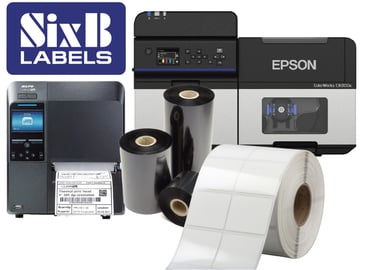
For companies choosing In-House printing, SixB can supply: |
|
|
|
How SixB Labels Simplifies Compliance Labeling
Since 1979, SixB Labels has helped manufacturers navigate complex labeling requirements. Our Simplifying Labeling approach focuses on providing:
|
|
Whether you need fully printed compliance labels or a complete in-house printing system, our team can help develop a solution tailored to your operation.
Final Thoughts: Certification Is Only as Strong as the Label
Whether your products carry a UL mark, ETL mark, or CSA certification, the label itself plays a critical role in maintaining compliance and communicating safety information.
While UL and ETL may be different certification organizations, both serve the same fundamental purpose: helping verify that products meet recognized safety standards.
The right label material, printing method, and certification strategy can help ensure your products remain compliant, durable, and professional throughout their lifecycle. At SixB Labels, we combine decades of labeling expertise with certified materials, printing solutions, and compliance knowledge to help manufacturers simplify even the most demanding certification labeling programs.
Save Time - Email Us Directly With Your Questions on ETL or UL Certified Labels
See Related: